10th Nov 2026
BACH CANTATAS (concert)
Théâtre de Caen
Caen Cedex 1
Frankreich

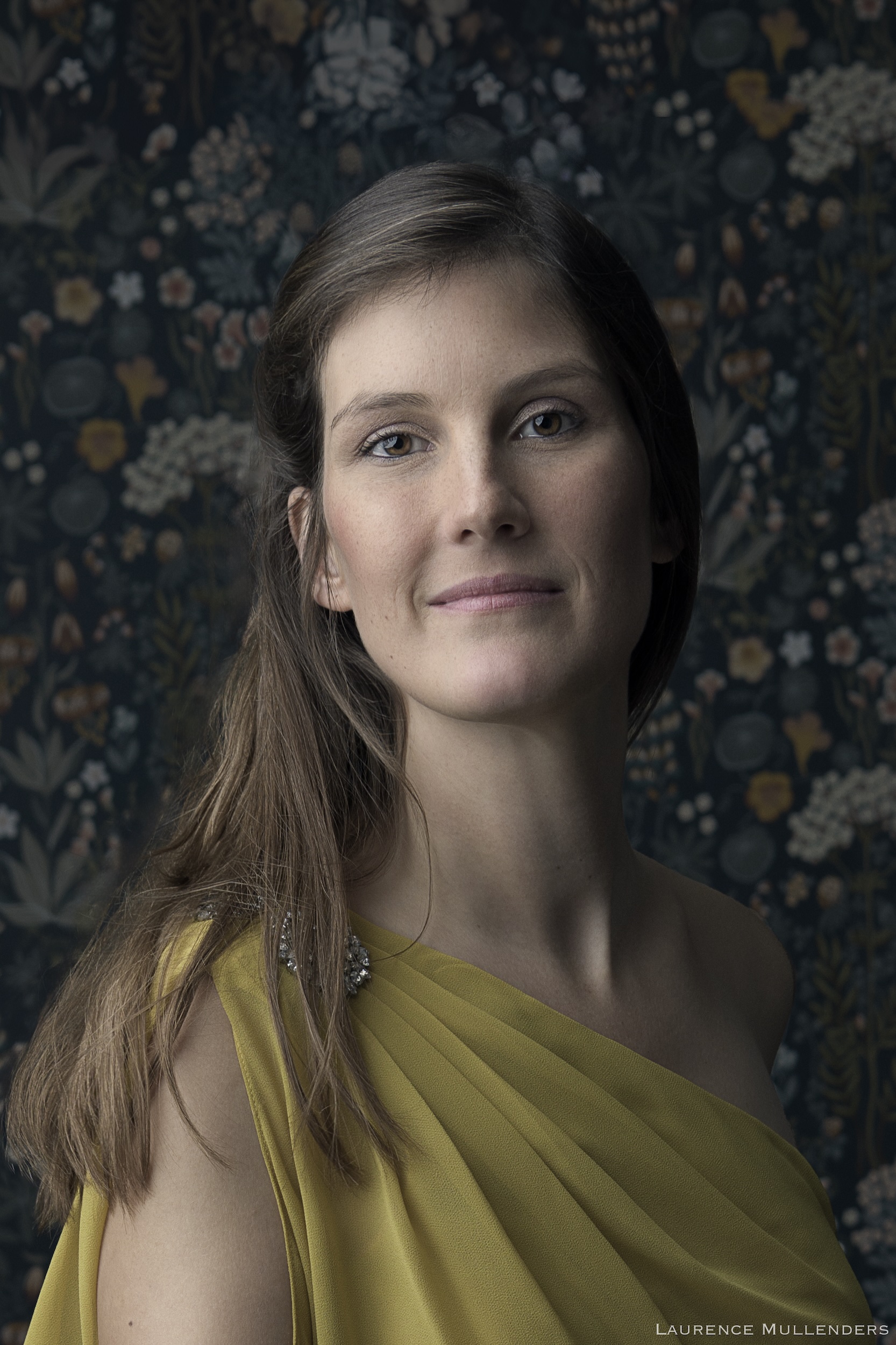
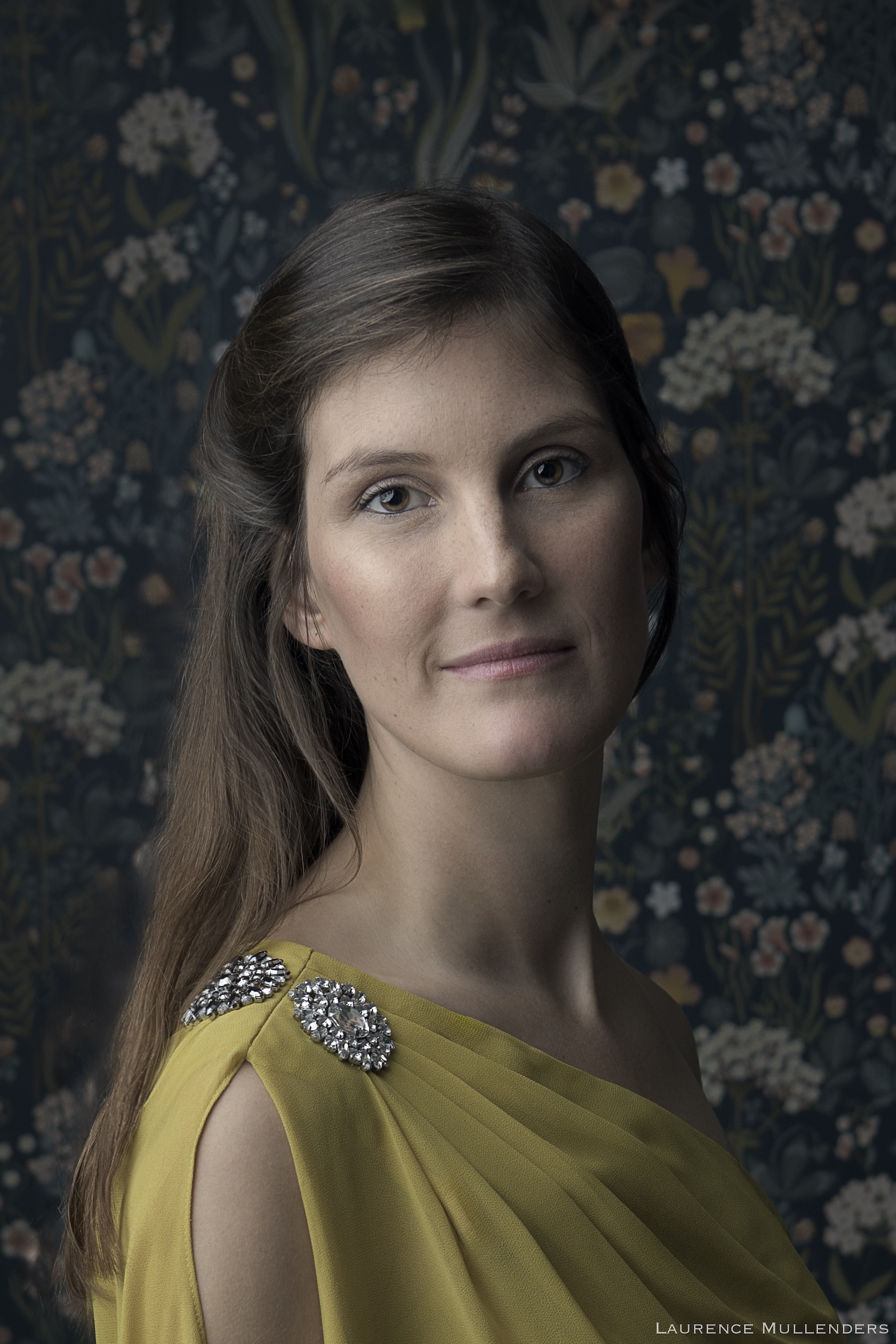
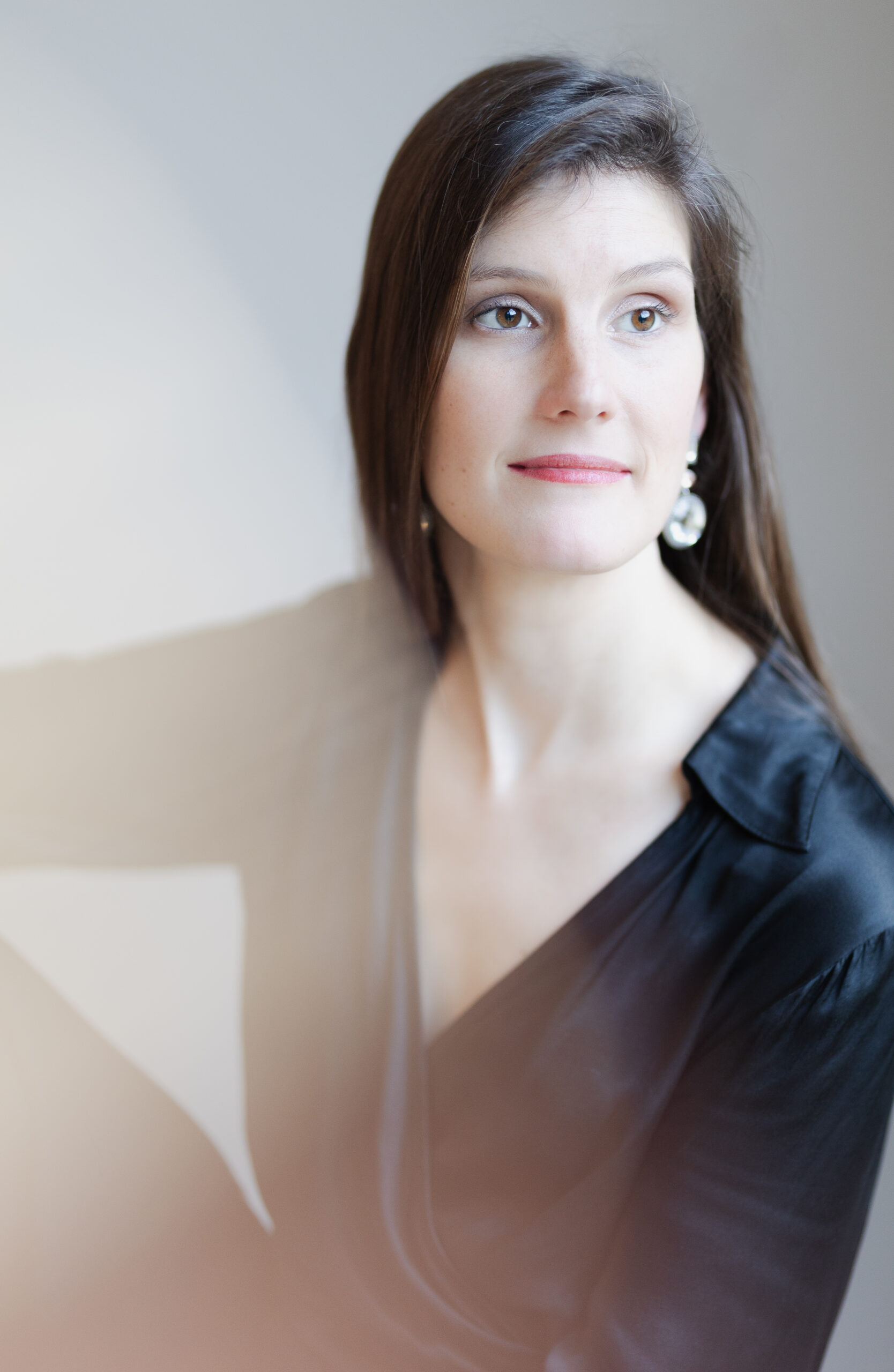
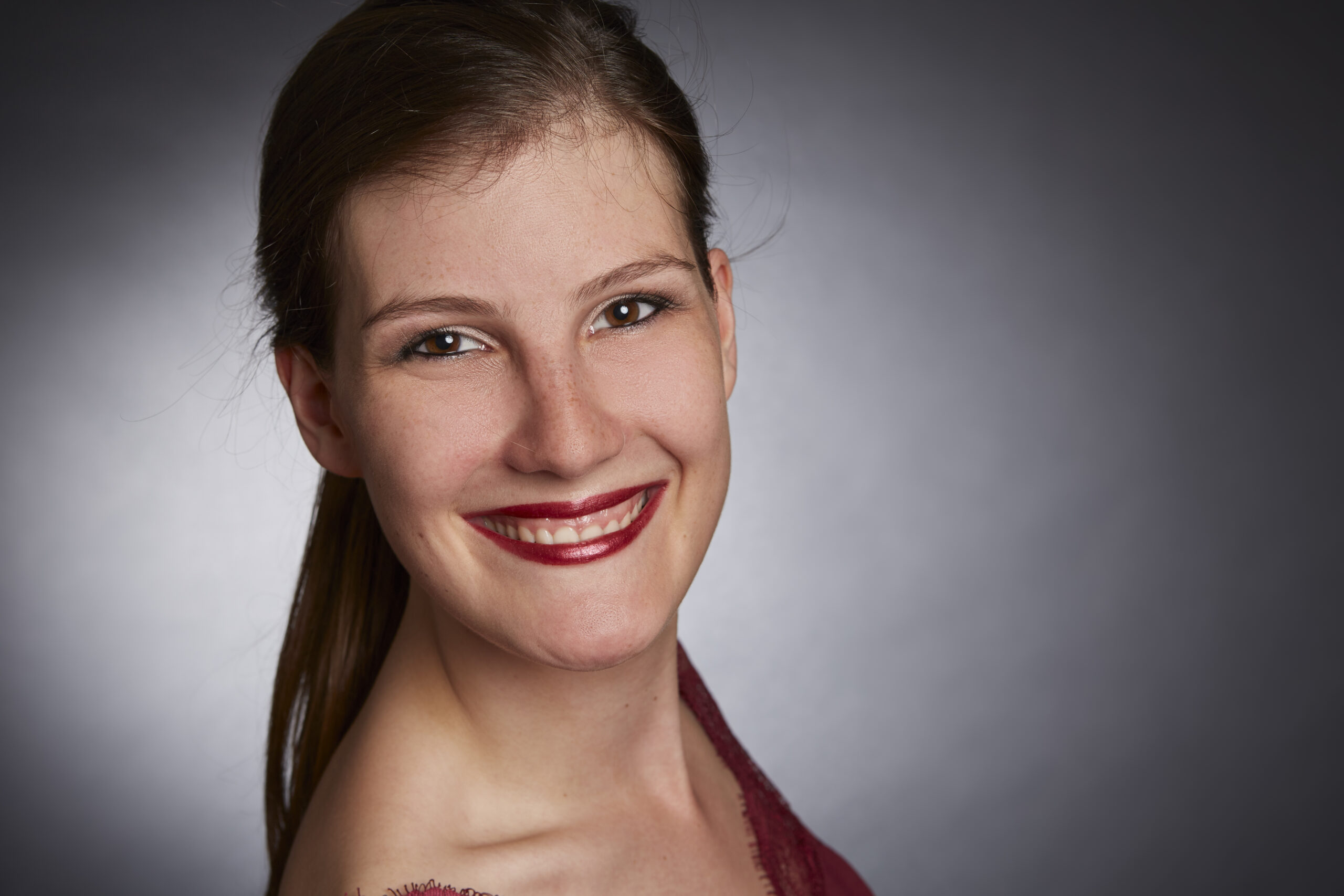
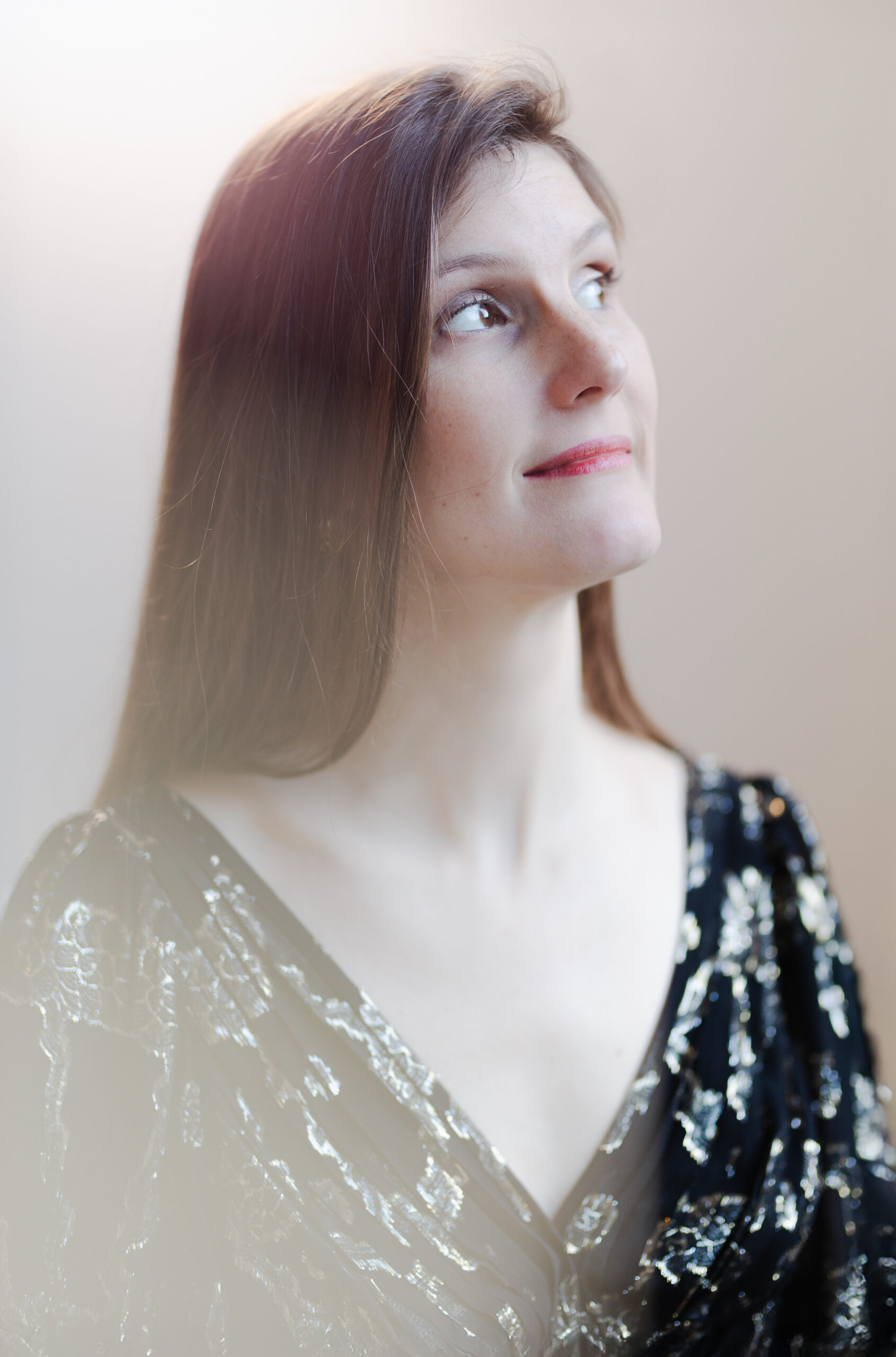
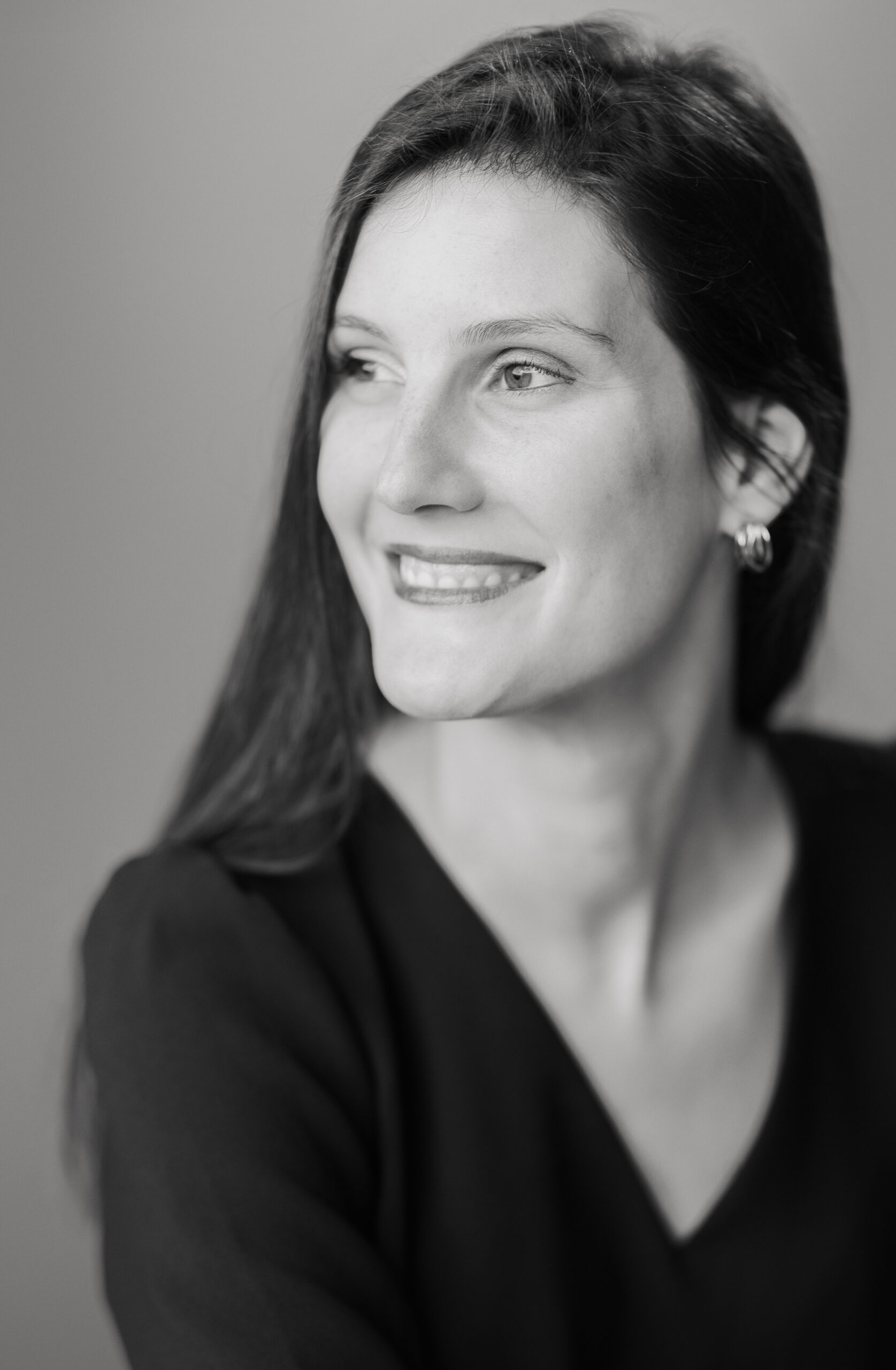
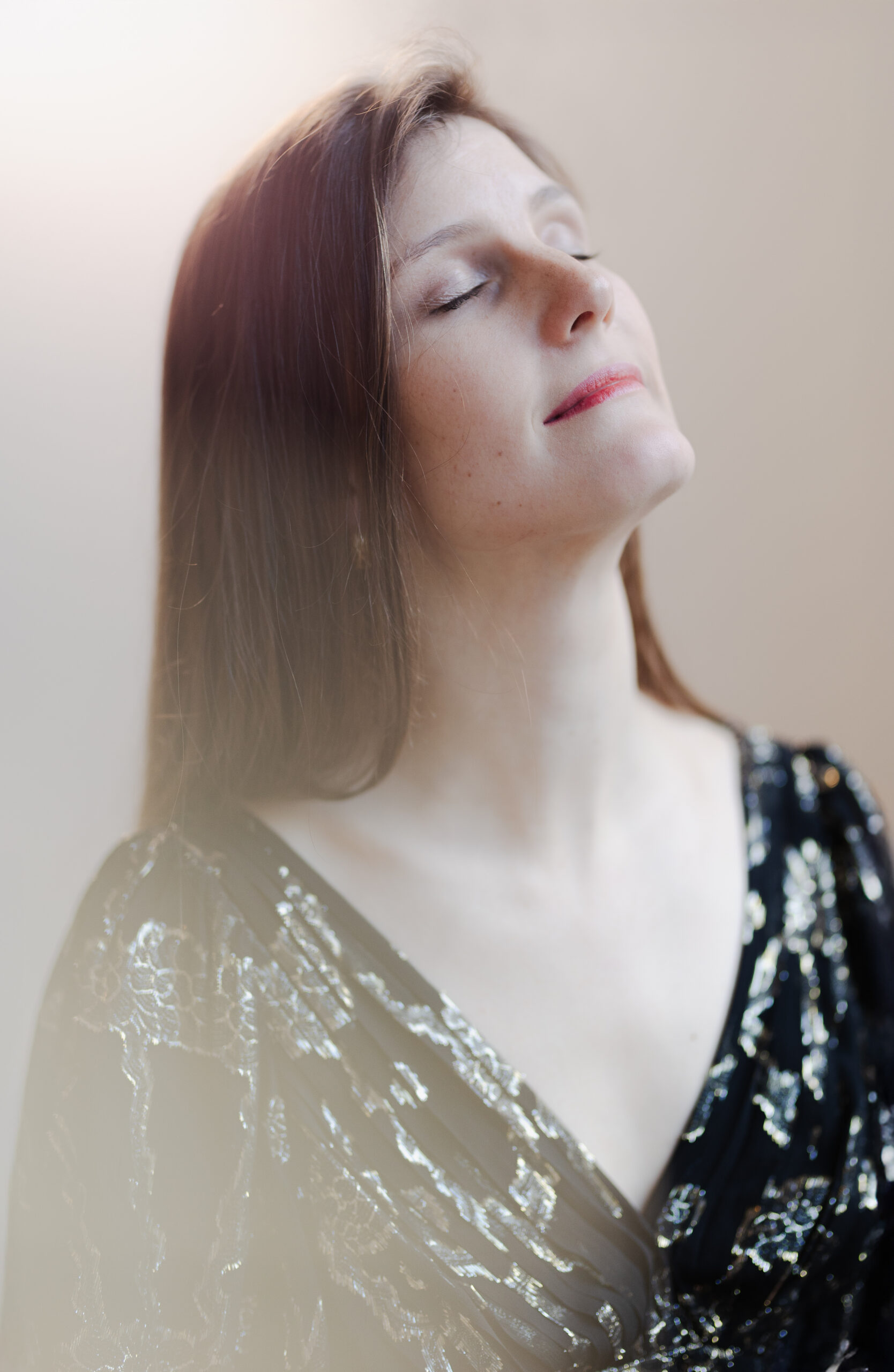
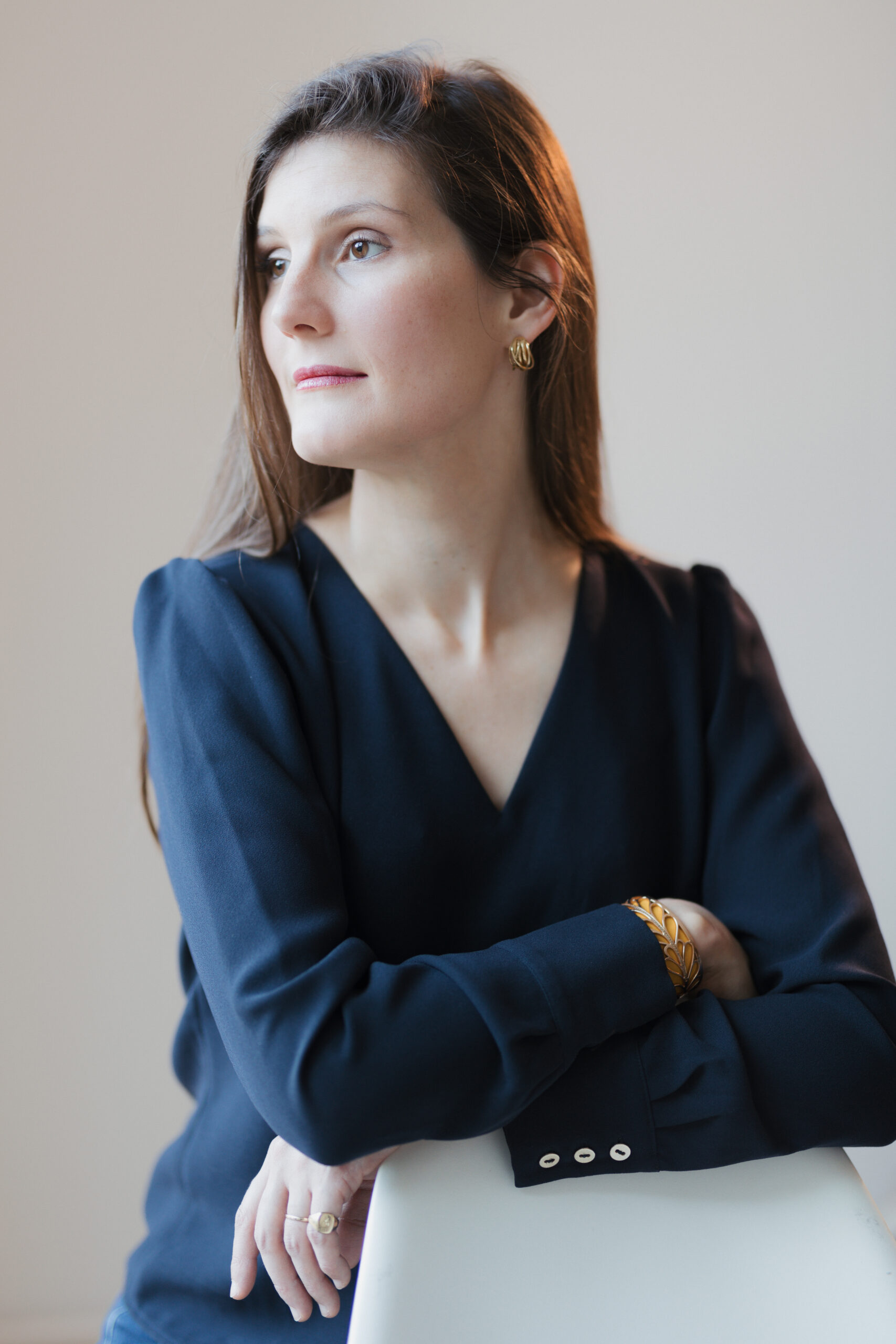
Blandine de Sansal trained at the École Normale de Musique de Paris before taking a degree in musicology at the Sorbonne. She came to notice on the French vocal scene in quick succession, winning First Prize at the Léopold Bellan International Competition, the Prix de la Ville de Gordes at Les Saisons de la Voix, and, in 2022, both First Prize and the Audience Prize at the Froville International Baroque Singing Competition. ForumOpéra hailed “a splendid mezzo, already no stranger to several renowned ensembles […], whose colour, projection and phrasing immediately won the listener over.”
She appears regularly as a soloist with leading Baroque and Classical ensembles, among them Correspondances (Sébastien Daucé), Pygmalion (Raphaël Pichon), Les Arts Florissants (Paul Agnew, William Christie), Le Banquet Céleste (Damien Guillon), Le Caravansérail (Bertrand Cuiller), Les Épopées (Stéphane Fuget), Les Surprises (Louis-Noël Bestion de Camboulas) and Marguerite Louise (Gaétan Jarry). She has also been heard in concert with Il Caravaggio (Camille Delaforge), the Orchestre de l’Opéra Royal de Versailles under Stefan Plewniak, and Le Concert de l’Hostel Dieu.
Her operatic repertoire reflects the richness and versatility of the lyric mezzo voice: Barbarina (Mozart’s Le nozze di Figaro), Fragoletto (Offenbach’s Les Brigands), Lisbé (Grétry’s Zémire et Azor), Argene (Vivaldi’s L’Olimpiade), Aristeo (Luigi Rossi’s Orfeo) and Goffredo (Handel’s Rinaldo), in which ForumOpéra admired “her rich, velvety lower register, her sense of line and her noble bearing.” At the Vienna Konzerthaus she appeared with Les Arts Florissants under Paul Agnew in arias from Charpentier’s Médée and Handel’s Alcina, “offering penetrating glimpses into the depths of the soul” with “a high degree of expressiveness” (Kurier).
At the Festival d’Aix-en-Provence she made a striking impression in Combattimento, La Théorie du Cygne Noir, a staged production conceived by Silvia Costa with Ensemble Correspondances. She went on to sing Nature in Locke’s Cupid and Death under Sébastien Daucé, before taking the title role in Gluck’s Orfeo ed Euridice with Raphaël Pichon — a performance Olyrix found “technically assured, with a darkened tone that captures an Orpheus torn between mourning and revolt.”
Her love of poetry and literature underpins a deep affinity for Lieder and mélodie, matched by a strong commitment to the sacred repertoire. At the Opéra de Rennes she moved audiences in Telemann’s Brockes-Passion under Damien Guillon — Olyrix praised “a poignant voice, phrasing shaped down to the smallest detail, and the expressive power of a true tragédienne” — and won acclaim in Rossini’s Petite messe solennelle, staged by Jos Houben and Emily Wilson.
In the 2026/27 season she sings Dido in Purcell’s Dido and Aeneas under Louis-Noël Bestion de Camboulas, in a staging by Pierre Lebon, on an extensive tour. She also rejoins Raphaël Pichon and Pygmalion for four concerts in Mexico, before joining Sébastien Daucé and Ensemble Correspondances for a tour of Purcell’s The Fairy Queen.
(2026_2027. Use this CV exclusively.)